How meat reacts at different temps
Source and credits go to their respective owners. This is a digestive note to summarize my takeaways from this video. If you'd like it taken down, let me know.
Stop Wasting Money on Beef
Takeaways
Tender and Quick to cook:
Cut Location
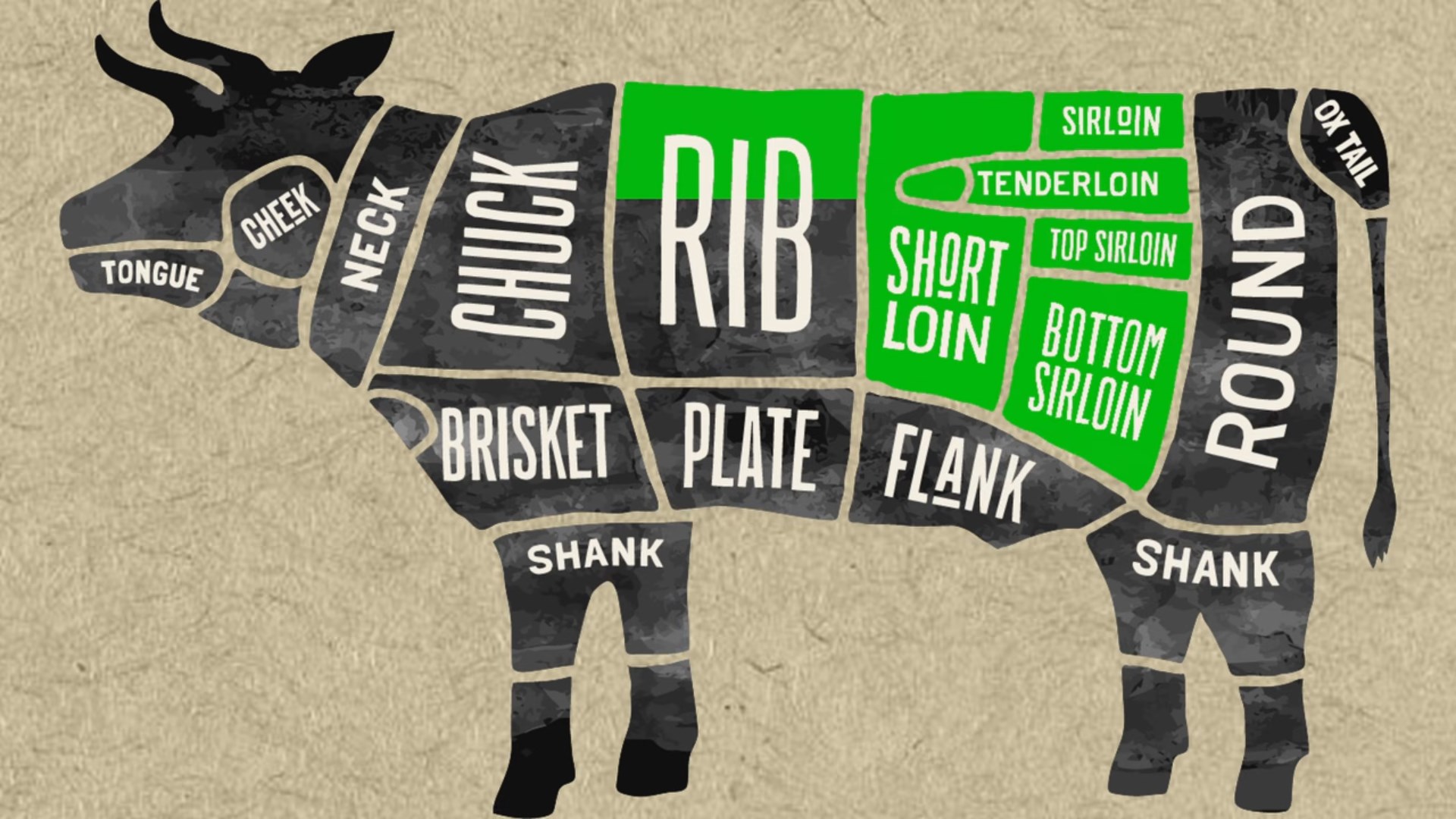
- ShortLoin
- TenderLoin
- SirLoin
- Top SirLoin
- Botton SirLoin
- RibEye
Tough and Slow to cook (must hit the target temp to breakdown the collagen and have it absorb the meat moisture)
Cut Location
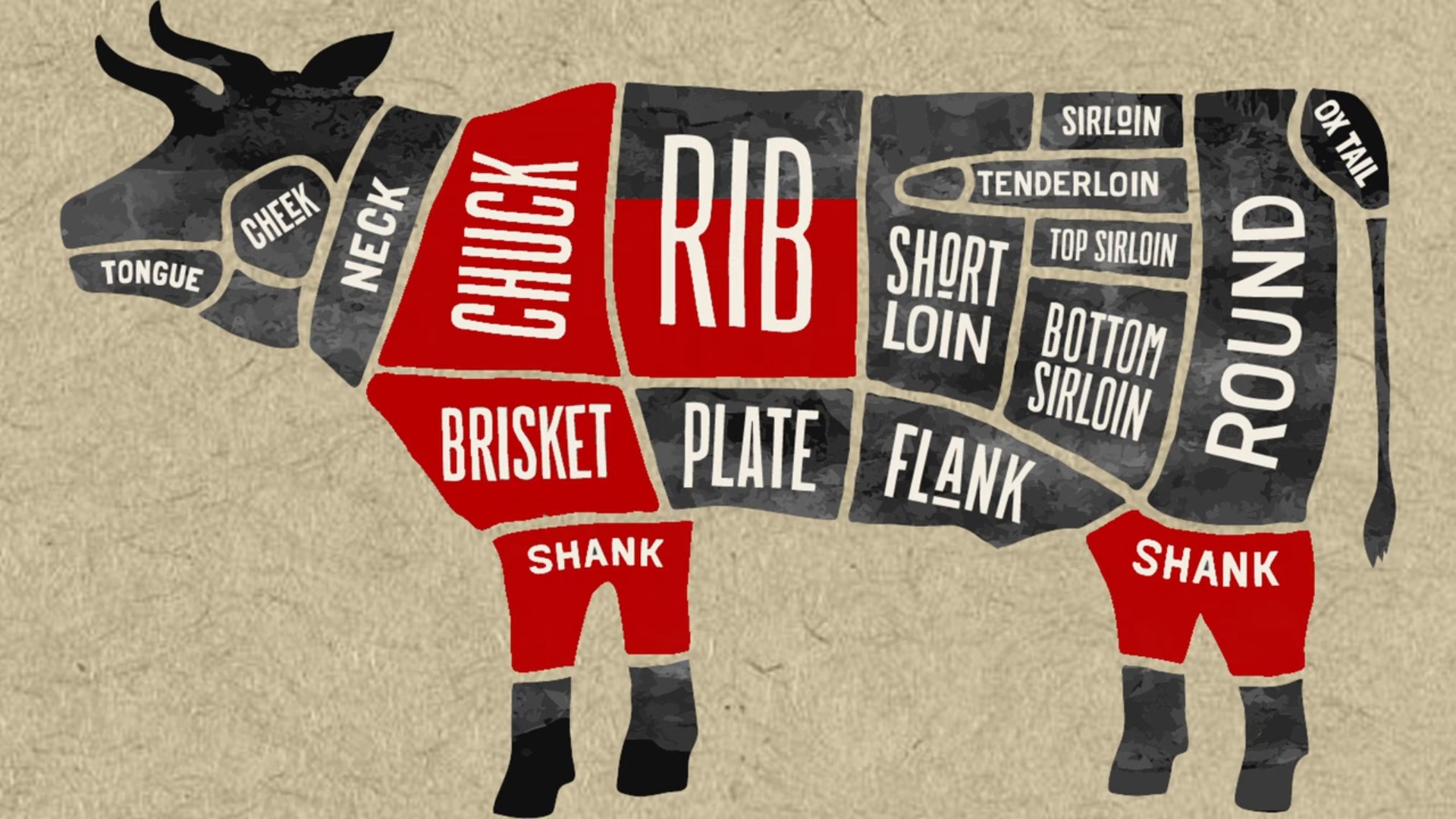
- Brisket
- Shank
- Rib
- Chuck
These need recipes that
- Marinate
- Braise
- Smoke
- BBQ
the meat.
Cut, price, toughness chart
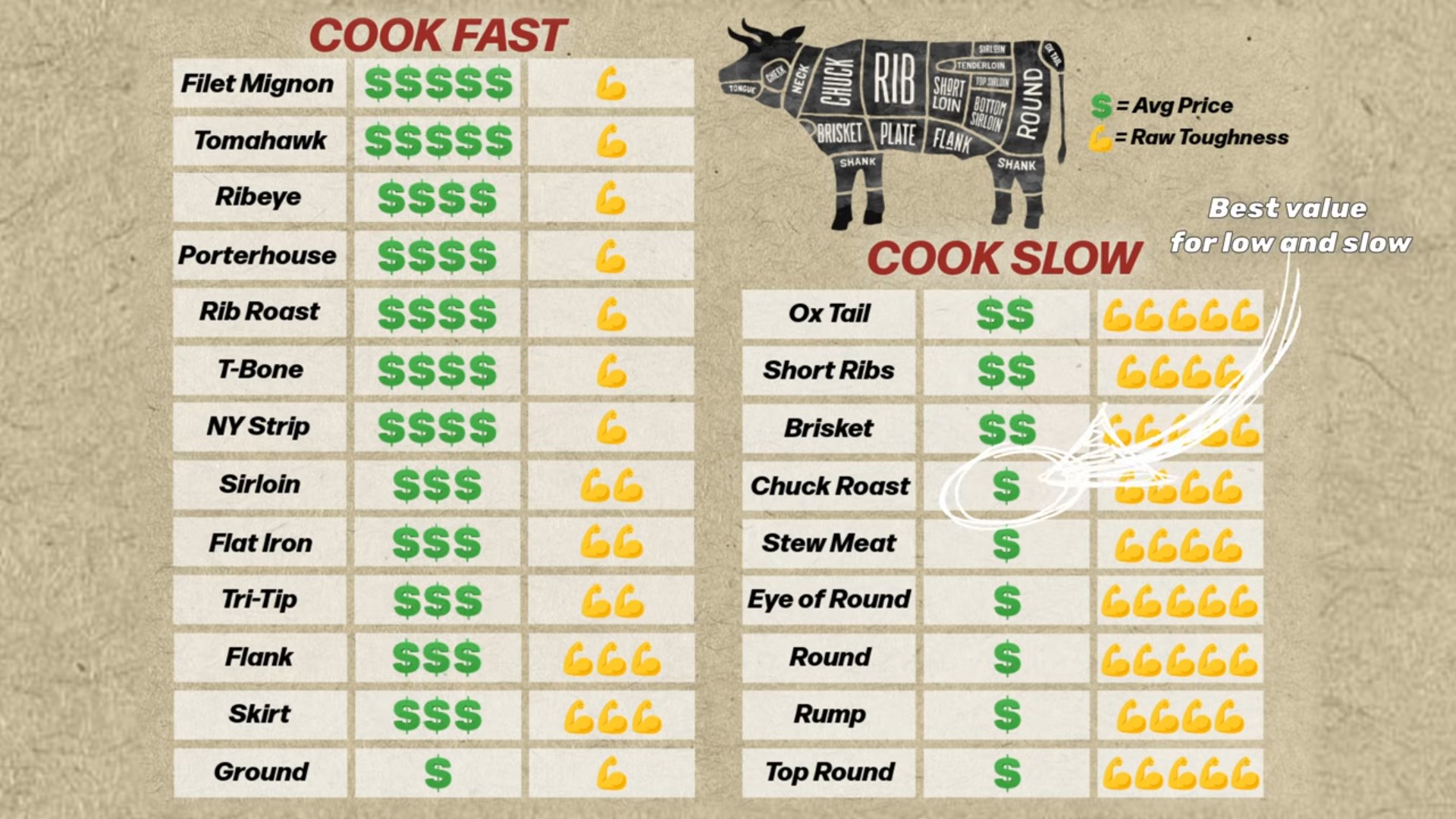
Note : Chuck Roast for best value low and slow
Note : Flat Iron is a good value for steaks (fast)
Meat Temps:
-
Marinating: 40 F or 4 C
- Good for short term storage (few days)
-
Room: 72 F or 22 C
- Rapid bacteria temp (hurry up)
-
Target for collagen breakdown: 200 F or 93 C
-
Grease Crease
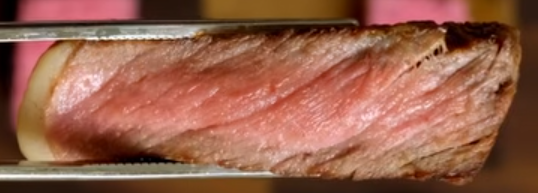
- When the fat starts to melt / render
- Fat is an insulator, so some of the fat outside or inside might not melt if the meat is at that temp. Consider raising the temp of the meat by another 5-10 degrees so the fat can melt/render
-
The Grey Band
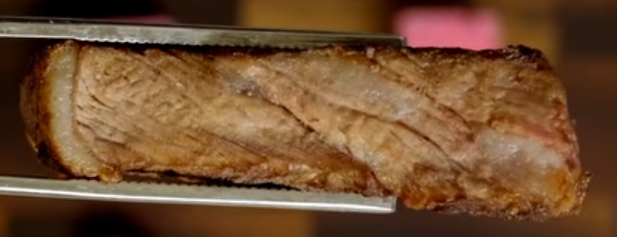
- Muscle Fibers Contract and squeeze out water (irreversible)
- Changes color to grey
-
The Stall
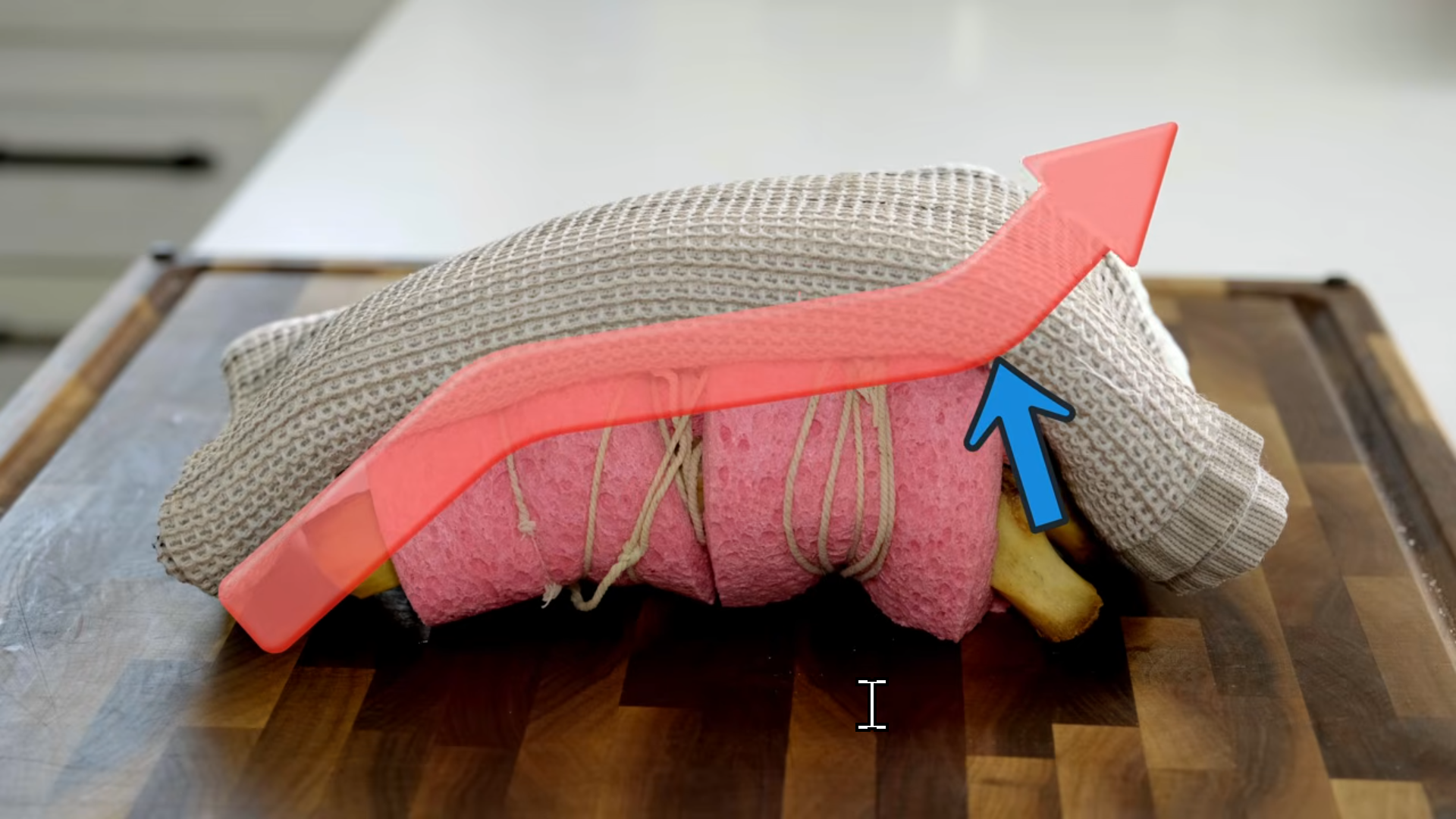
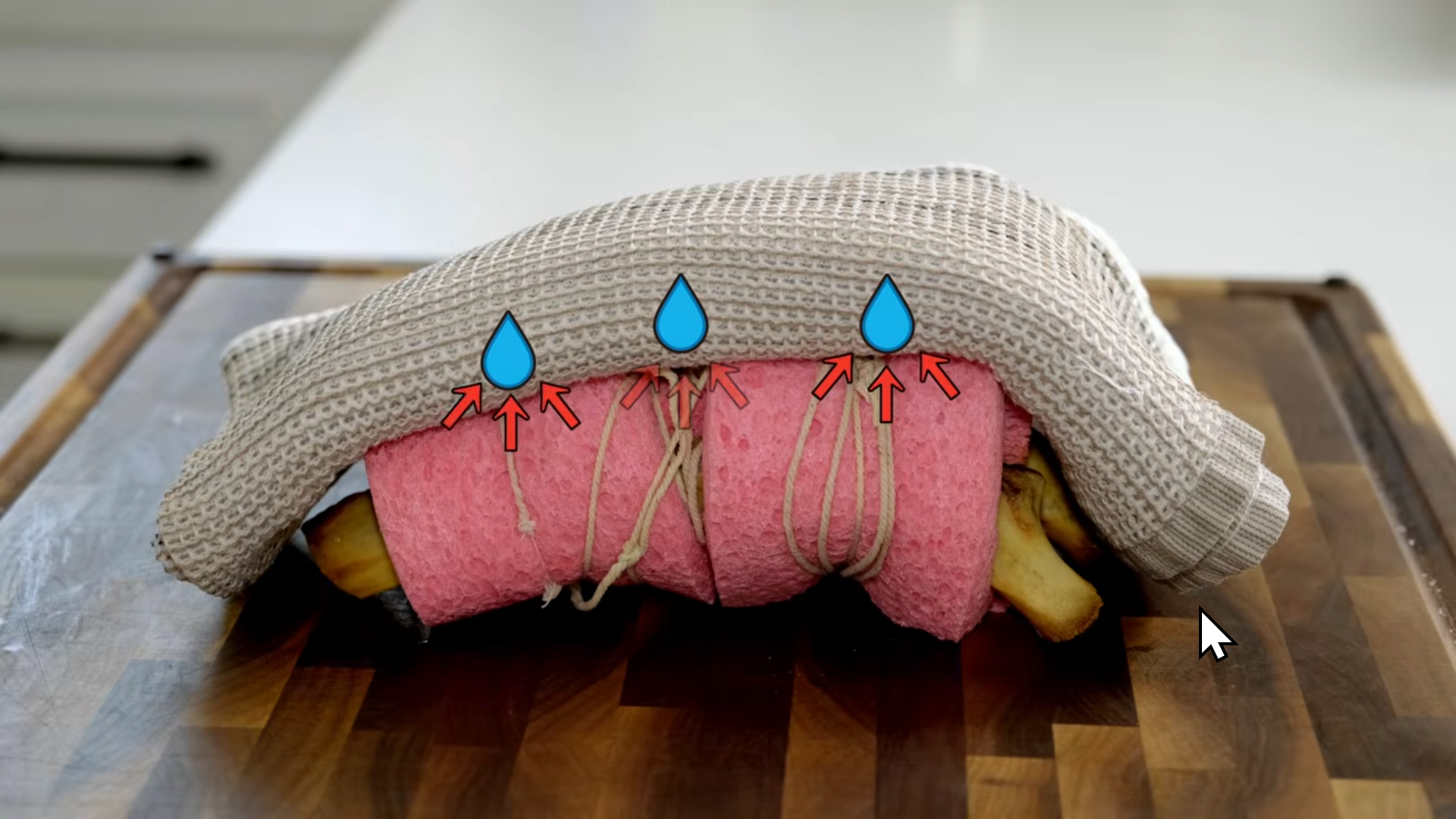
- Water that's evaporated creates a wet wrap that absorbs heat from the meat and stalls the rise in meat temp
- wrap it in butcher's paper (or aluminum foil) to trap that moisture in and cause its heat to go back into the meat
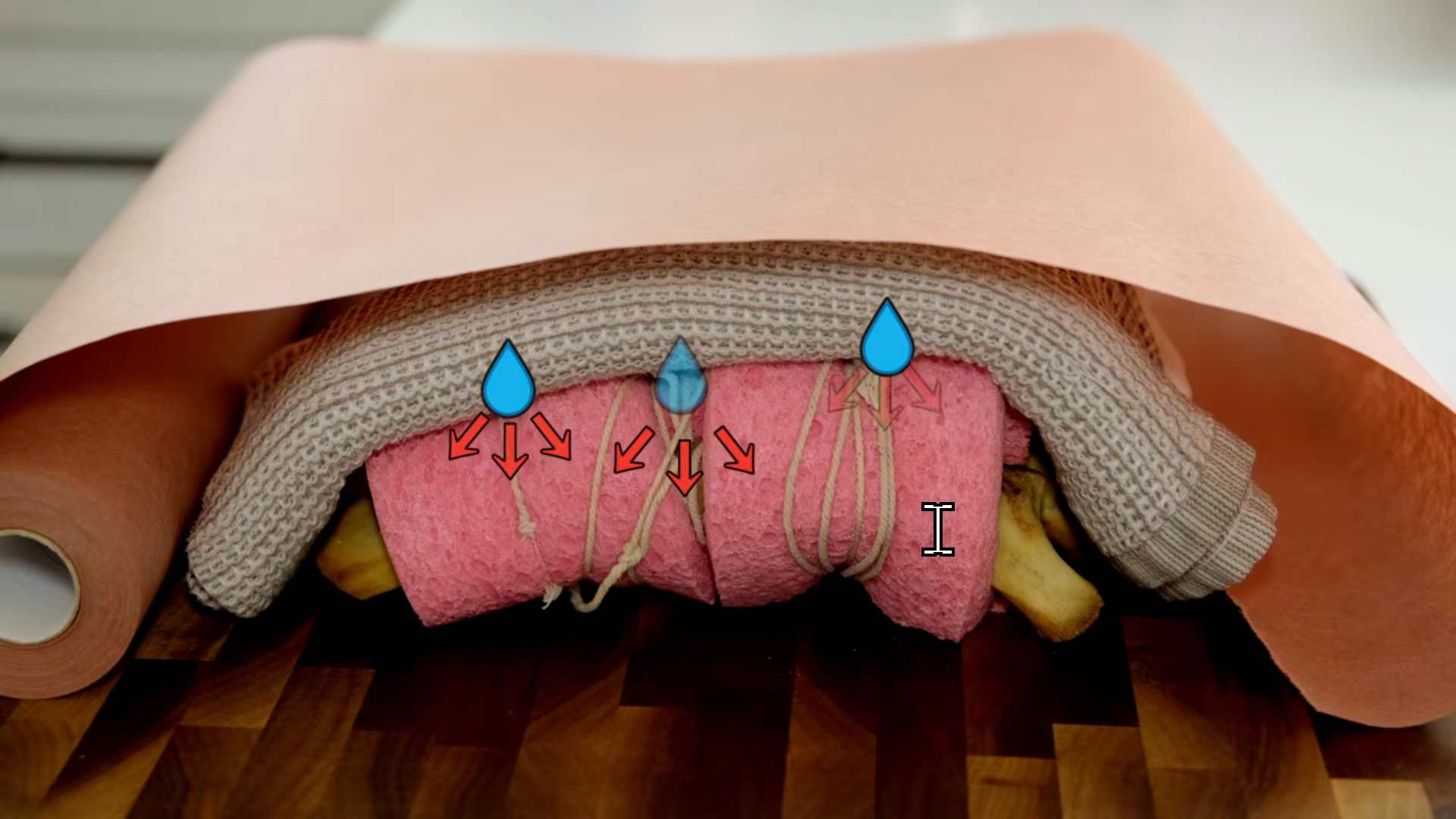
-
The Magic Zone
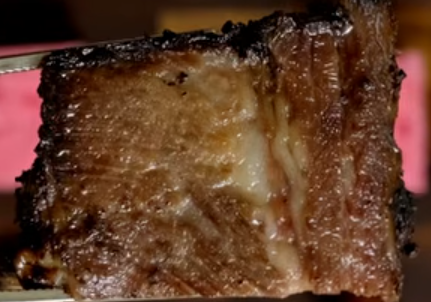
- Collagen -which caused the meat to be tough- (connective tissue) breaks down and the meat becomes fall of the bone soft
- Goes from dry and well done back to juicy because the collagen abosrbs the water that the meat lost in the grey band The Grey Band zone
- Cause: When Collagen Breaks down it forms Gelatin which absorbs the liquid trapping it inside the meat
-
The Target Sweet Spot for tender off the bone that is not mushy: 200 F or 93 C
- Let it slowly cool down NOT rest
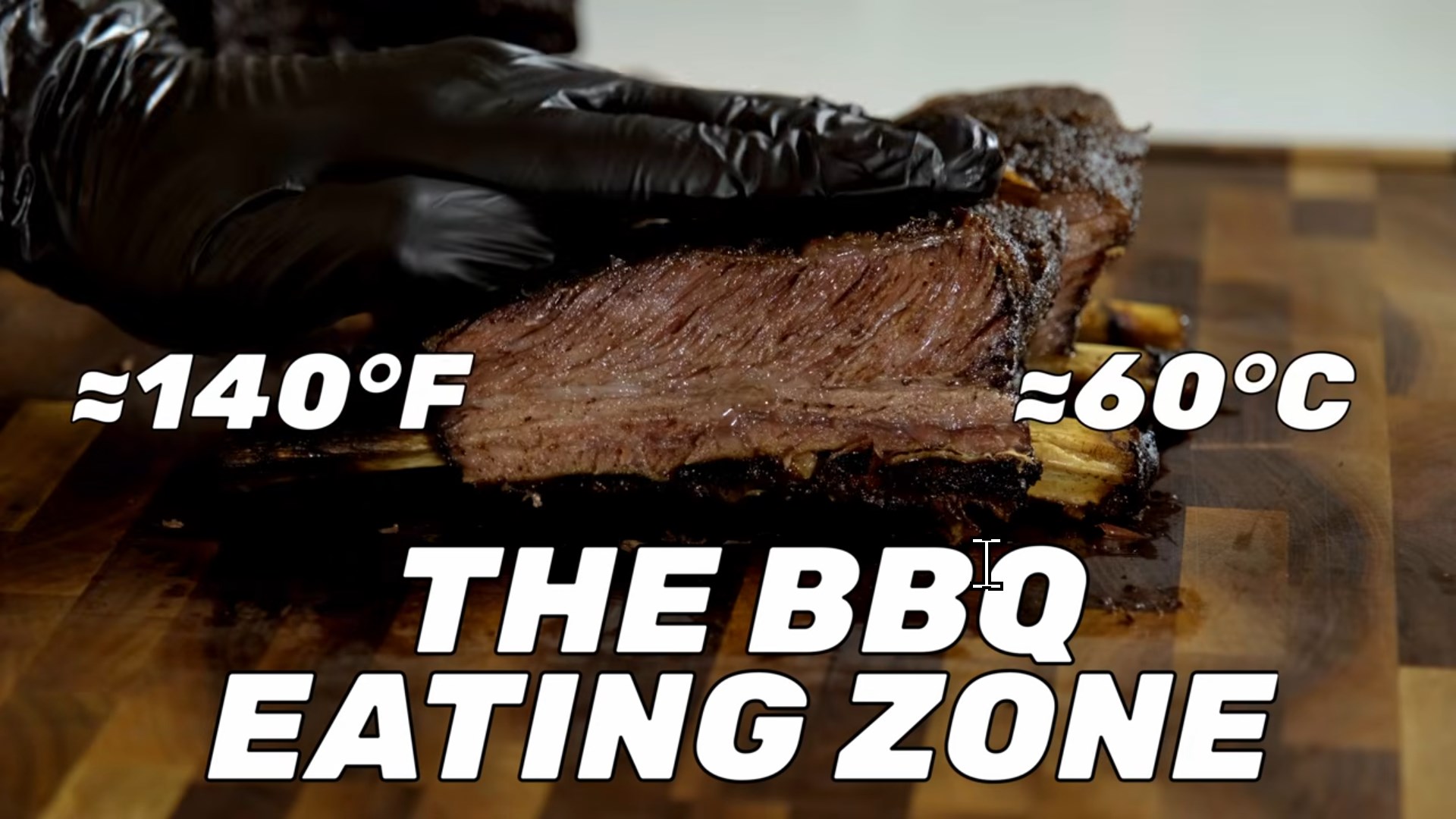
- The more slowly you do that, the more it spends in that magic zone before it drops back down to the The BBQ Eating Zone
-
The Millard Reaction
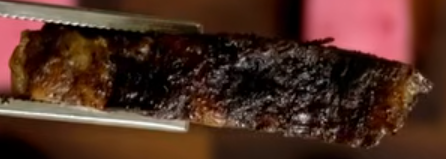
- Really gets going above 300F or 150C
- Liquid can never reach this temp which is why we sear before we cook or stew


